Tokyo
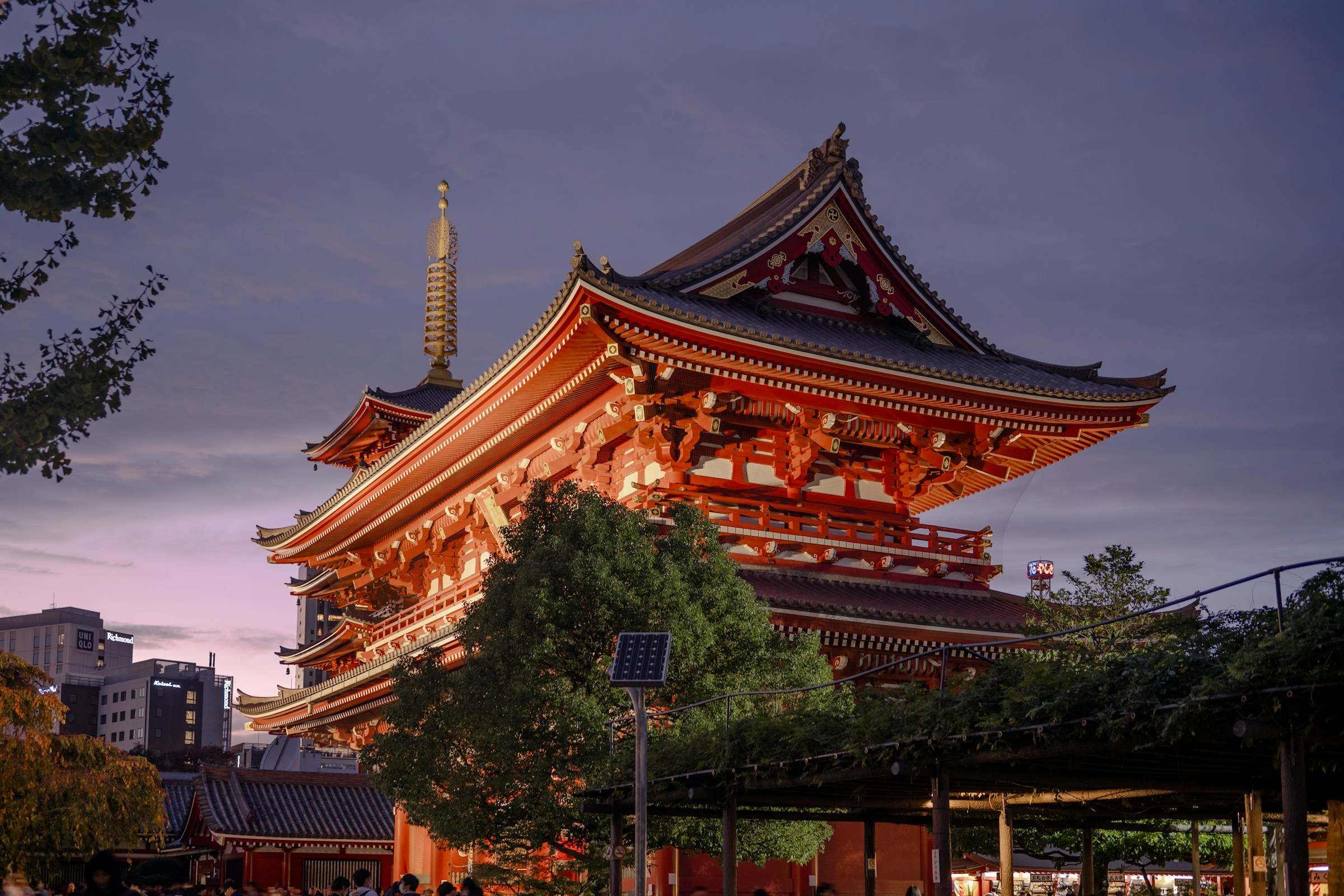
Dawn at Senso-ji, 06:10. Nearly everyone who visits Senso-ji arrives after nine. At dawn the temple belongs to the monks, the sweepers and you.
in Tokyo, now
This page keeps the hours in Tokyo. It is the day page while the sun is up there, and it turns to night at sunset.
Photo: Ryunosuke Kikuno, UnsplashPhoto: Zion C, UnsplashPhoto: Gene Brutty, Unsplash
A day in Tokyo, from dawn to night
The biggest city on earth, before it wakes up.
First light, from the east
The sky goes orange behind the Skytree while the city under it is still one dark shape. At Senso-ji the main hall opens early, long before the shops. The shutters along Nakamise stay down for hours yet, so the loudest thing is a broom on stone.
This is the hour we plan around.
Noon is for gardens
Midday light flatters nothing, so spend it somewhere green. Clipped pines, a pond with no wind on it, a bench in the shade. Lunch is a tray of cold soba nearby, eaten as quickly as the office workers eat theirs.
The tower turns orange
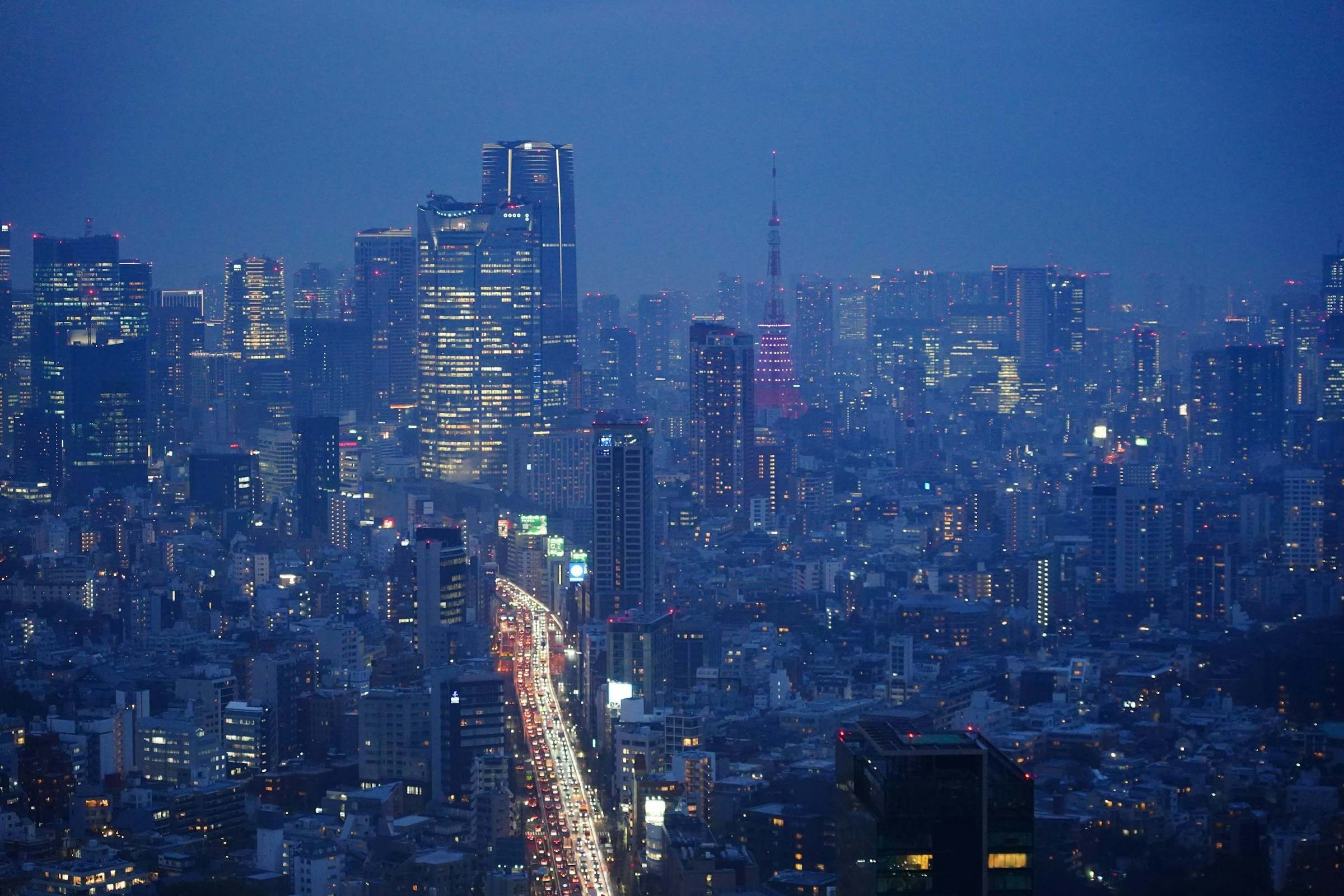
From high up, the haze goes peach and Tokyo Tower stands out against it. On a clear afternoon you can pick out Mount Fuji to the south-west. We book the window table, not the observation deck.
The switch-on
For twenty minutes the sky and the office windows are equally bright. An expressway runs between the towers like a lit fuse. This is when Tokyo looks most like the city you had in your head.
Rain is a feature
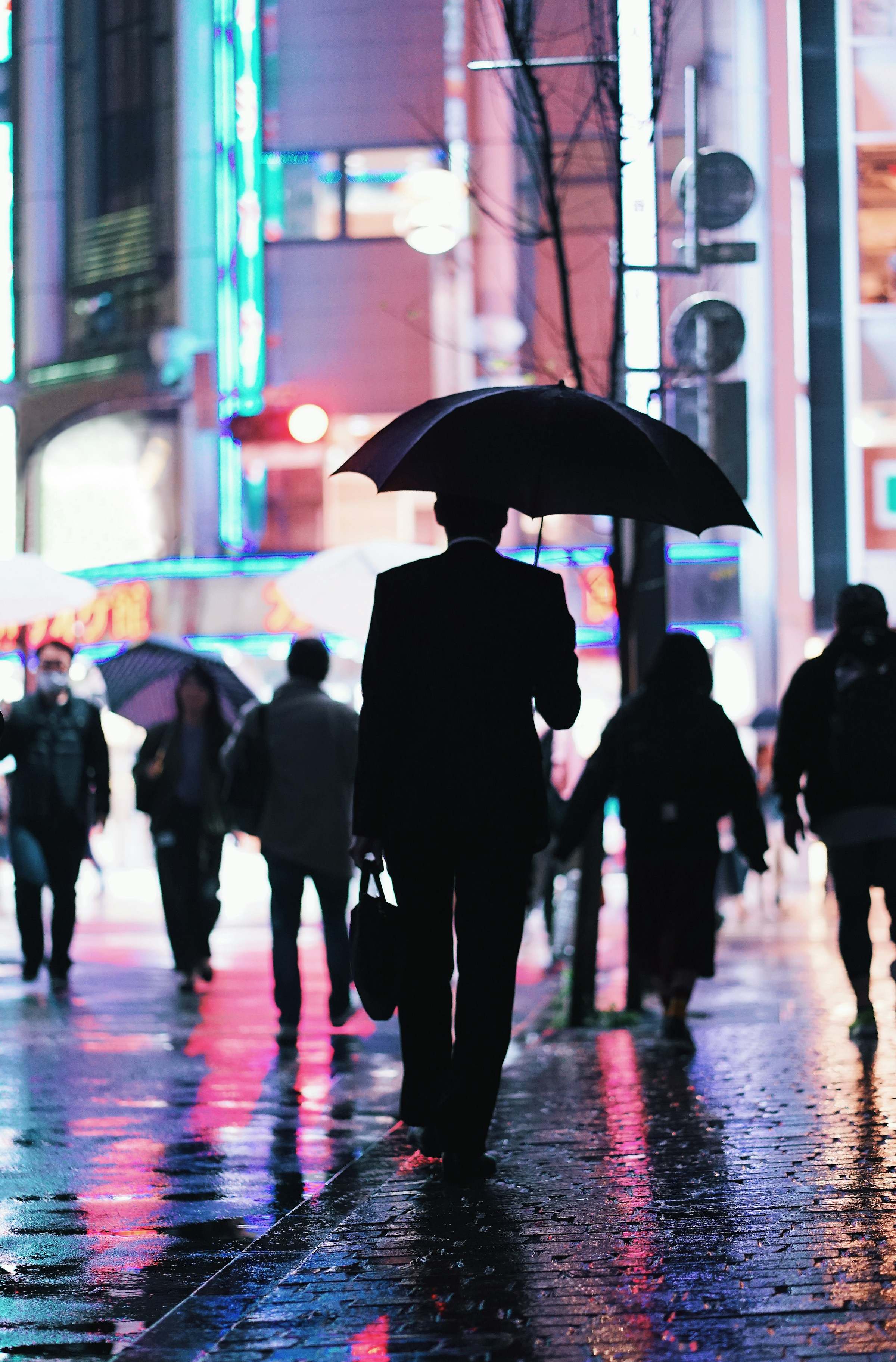
Wet pavement doubles every sign. Follow the umbrellas into an alley of eight-seat counters, where dinner is whatever is on the grill. Then back to Senso-ji: the great lantern is lit and the crowds went home hours ago.
When to go
Tokyo is at its best in March to May and November.
June is the rainy season and August is hot and humid. September and October are the wettest months of the year, with typhoons.
Better left alone: June and August to October.
- January: 10° by day, 1° at night, 60 millimetres of rain. A fair month to go.
- February: 11° by day, 2° at night, 57 millimetres of rain. A fair month to go.
- March: 14° by day, 5° at night, 116 millimetres of rain. One of its best months.
- April: 19° by day, 10° at night, 134 millimetres of rain. One of its best months.
- May: 24° by day, 15° at night, 140 millimetres of rain. One of its best months.
- June: 26° by day, 19° at night, 168 millimetres of rain. Better left for another month.
- July: 30° by day, 22° at night, 156 millimetres of rain. A fair month to go.
- August: 31° by day, 24° at night, 155 millimetres of rain. Better left for another month.
- September: 28° by day, 20° at night, 225 millimetres of rain. Better left for another month.
- October: 22° by day, 15° at night, 235 millimetres of rain. Better left for another month.
- November: 17° by day, 9° at night, 96 millimetres of rain. One of its best months.
- December: 12° by day, 4° at night, 58 millimetres of rain. A fair month to go.
- At its best
- Fine
- Better left alone
- This month
- Bars run from the night-time low to the daytime high, in °C. Below them, rain in millimetres.
Source: Japan Meteorological Agency climatological normals, 1991 to 2020, Tokyo station (Kitanomaru Park, Chiyoda). Figures as tabulated in the climate table of the English Wikipedia article "Tokyo", read November 2026.
Seven nights in Tokyo, planned around the dawn
This is a sample itinerary, to show the shape of a trip. Yours would be drawn up around your dates, your pace and what you have already seen.
From£6,450pp
Sample pricing, for two people sharing, with flights from London.
Plan a trip to TokyoDay 1
Land, and stay awake
A car to the hotel, a bath, an early bowl of noodles. The only job today is to stay up until nine.
Day 2
Dawn at Senso-ji
Jet lag has you awake at four anyway, so we use it. A guide meets you in the lobby at half past five. The temple first, then breakfast in Asakusa once the shutters go up.
The day the trip is built around.
Day 3
Markets and counters
Breakfast on foot through Tsukiji's outer market, with someone who knows which stall. The afternoon is yours. Dinner is eight seats and no menu.
Day 4
A garden, then the view
A garden at noon, when the light is useless for anything else. A high window at golden hour, held until the towers have switched on.
Days 5 and 6
Hakone, for the bath
About an hour and a half from Shinjuku by train. A ryokan with eleven rooms, dinner served in yours, and an outdoor bath fed by a hot spring. If the sky is clear, Fuji.
Day 7
A last night in the alleys
Back to the city. Blue hour from above, then yakitori at a counter under the railway tracks.
Day 8
Home
A daytime flight, and you land the same evening.
Where you would stay
A small hotel near the temple
Asakusa, a short walk from Senso-ji
Close enough that dawn at the temple is a stroll, not a taxi. Rooms are compact, as they are all over Tokyo. The pagoda from the breakfast room makes up for it.
A high-floor hotel
Shinjuku, above the station
For the second half of the trip. Glass from floor to ceiling, the city lit below, and the train to Hakone leaving from downstairs.
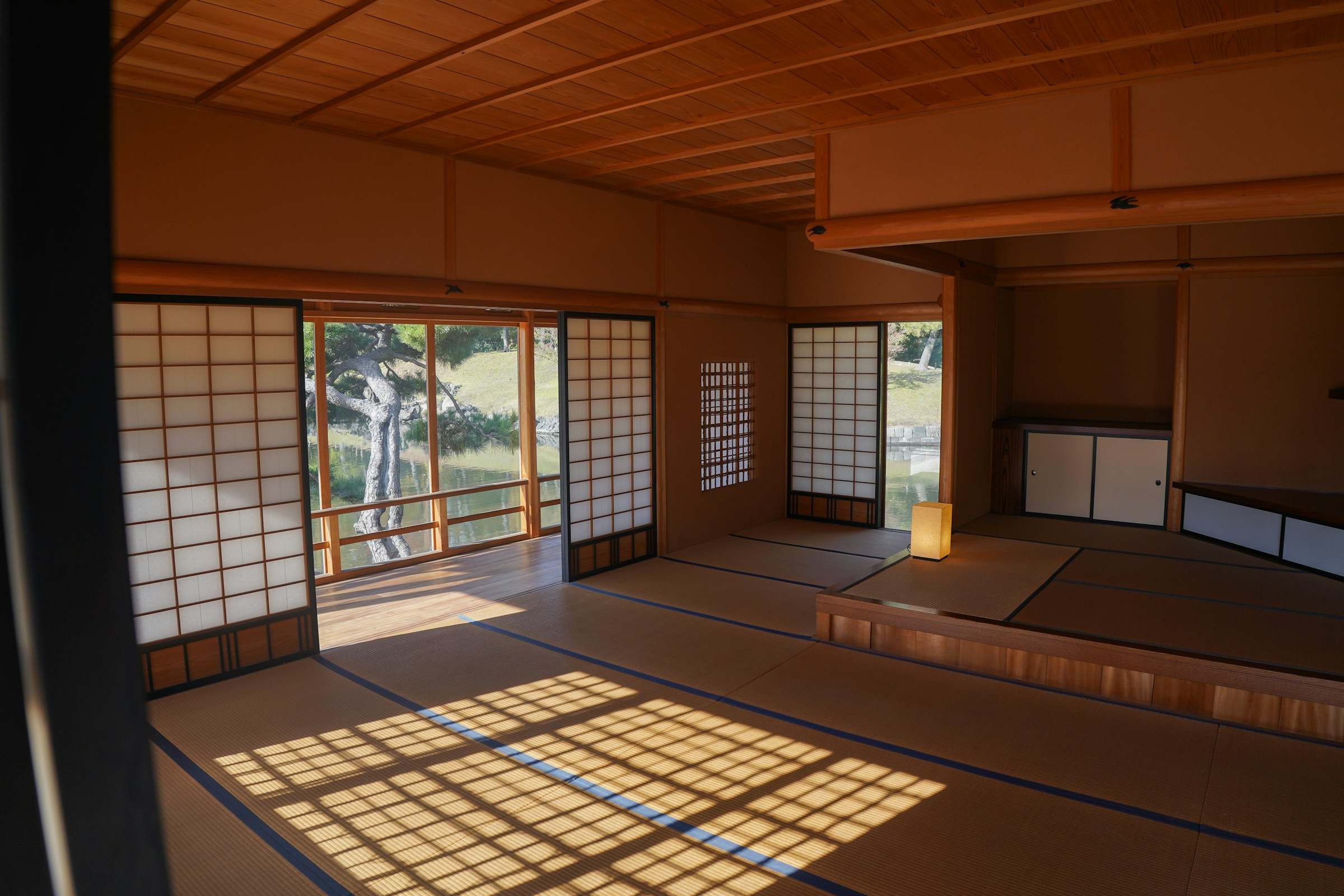
A ryokan with eleven rooms
Hakone, in the hills south-west of Tokyo
Tatami floors, sliding paper screens, and a futon laid out while you are at dinner. Leave the suitcase in Tokyo and bring a small bag.
We describe stays by type here. The names come with your proposal, once we know they have the room.
Eat at the counter
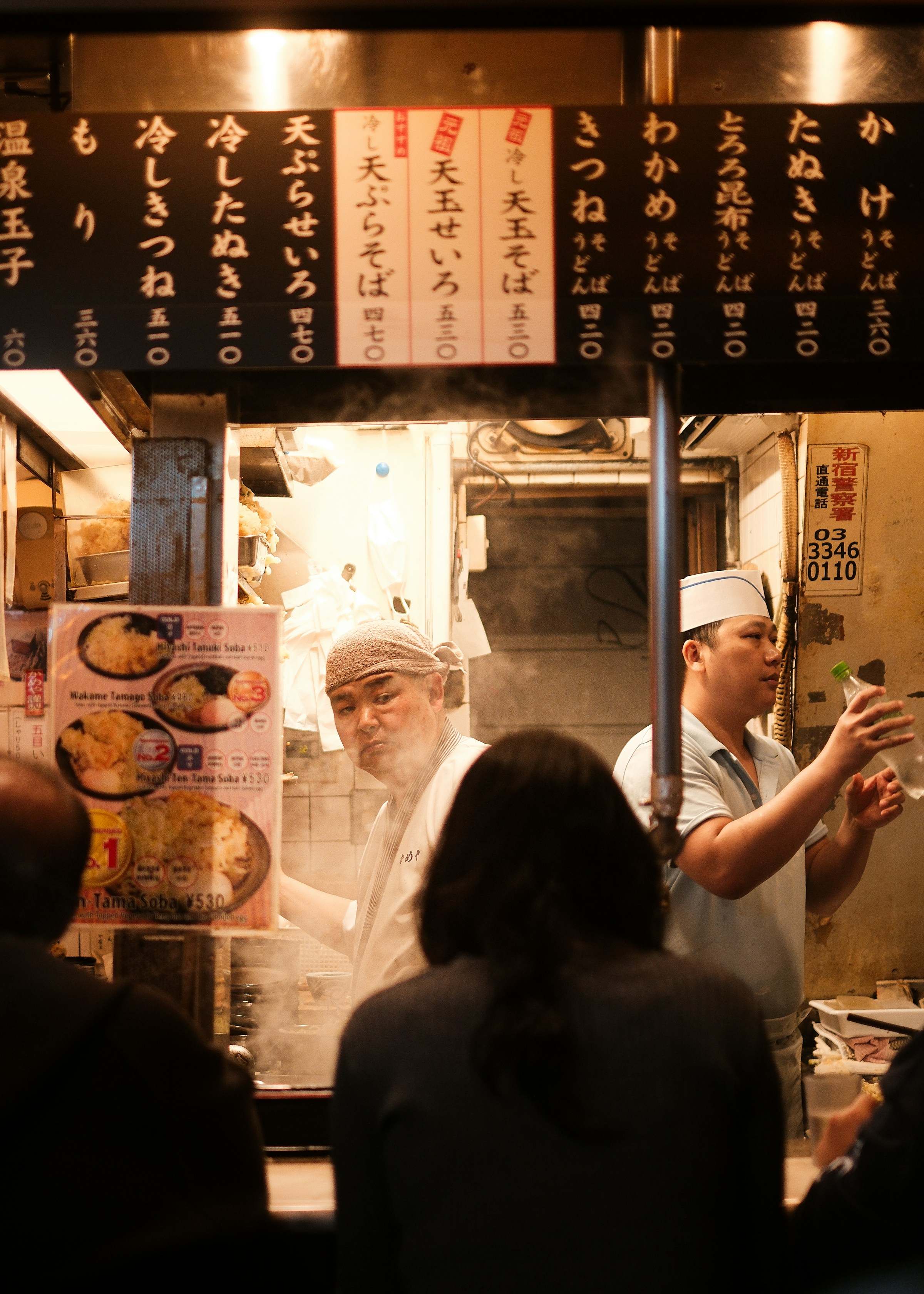
Tokyo feeds you best at a counter: eight seats, one cook, and a ticket machine by the door if it is noodles. Steam, a short wait, and no small talk required. We book the places that take bookings, and tell you where to queue for the ones that don't.
Dawn at Senso‑ji. Shall we?
Tell us when you can travel and who is coming. A planner will work out where the light will be, and build the days around it.
Plan a trip to TokyoAt their best in the same months
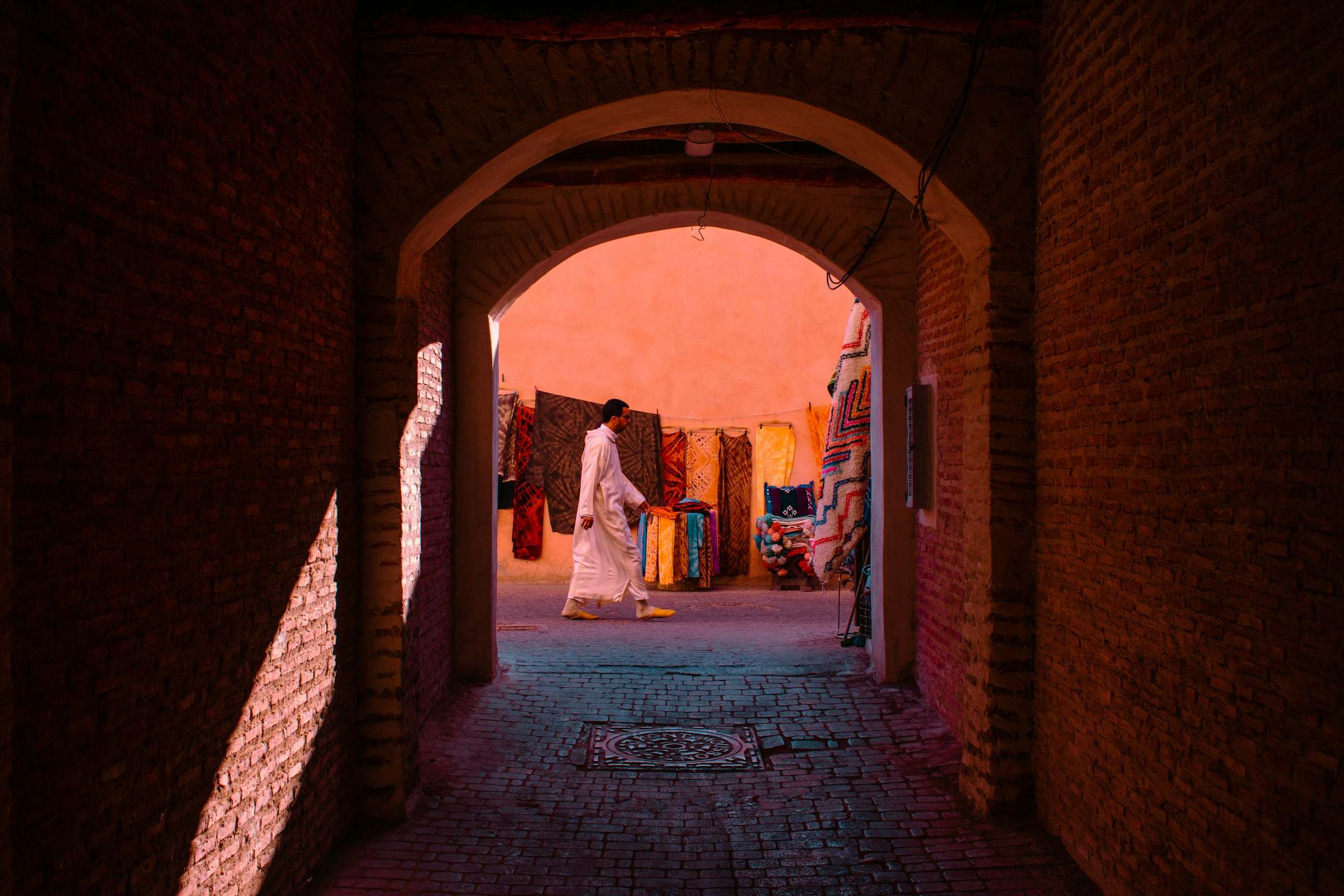
- there nowMarrakechLate afternoon in the medina. Also at its best in March to May and November.
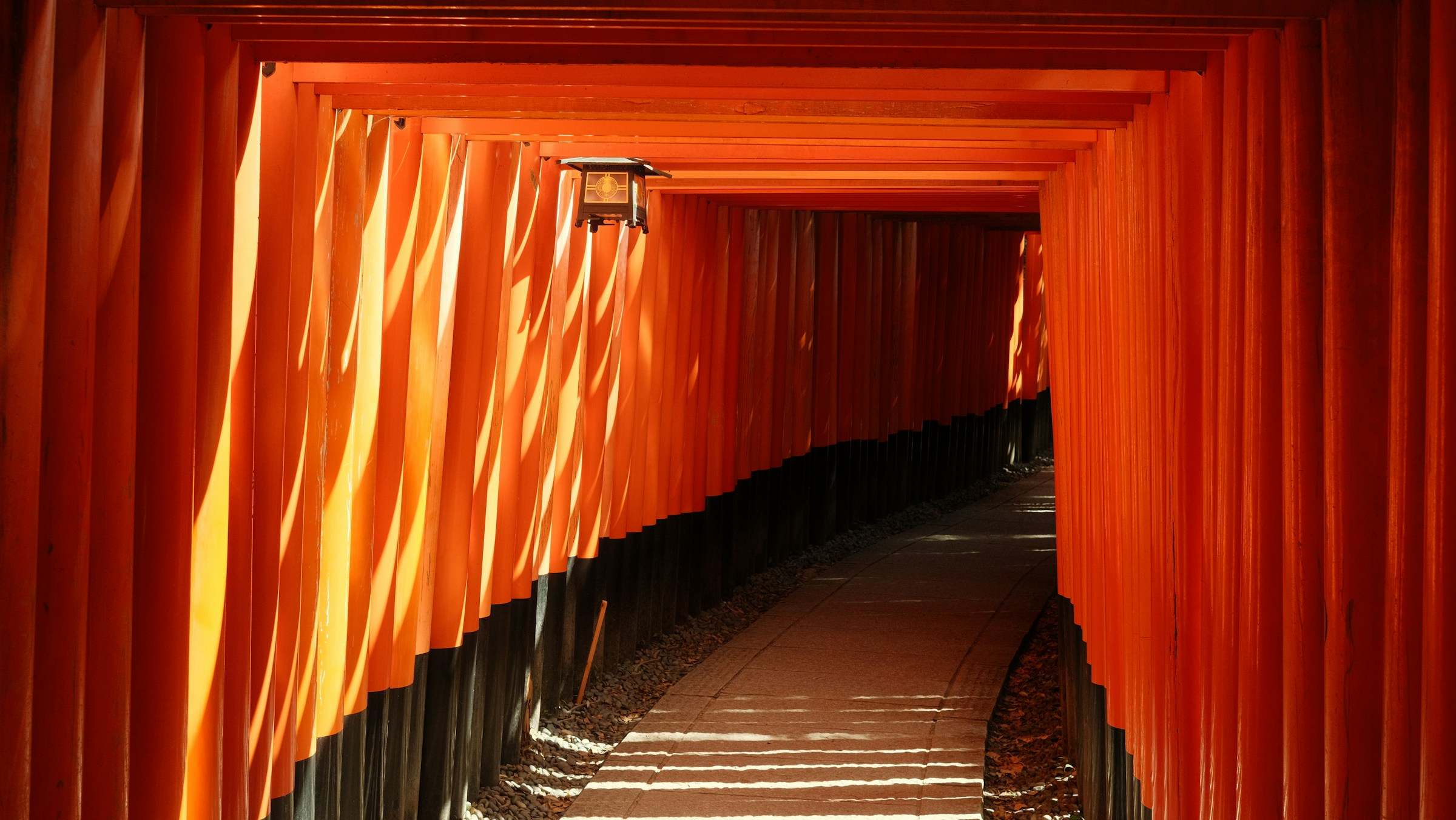
- there nowKyotoEarly morning at Fushimi Inari. Also at its best in April, May and November.
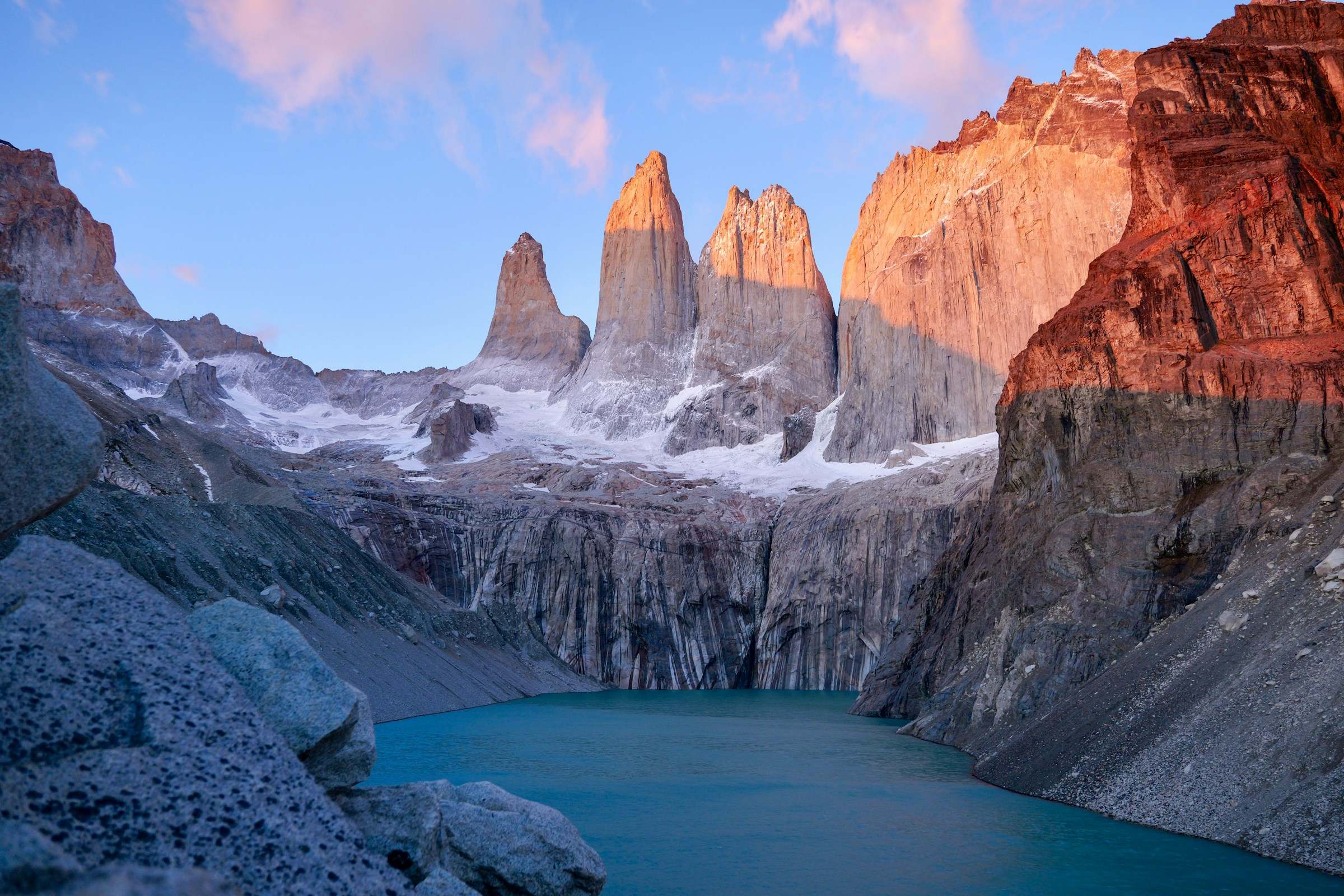
- there nowPatagoniaFirst light on the Torres. Also at its best in March and November.