Ruth plans Japan
Tokyo and Kyoto, mostly at dawn. Knows which side of the bullet train faces Mount Fuji, and how to get a jet-lagged family to a first-light start without a mutiny.
Tokyo now
Every place has an hour when it looks its best. Your planner starts there, with the real sunrise or sunset on your dates, and fits the flights and the rooms around it.
London today, 22 November. The sun is up at and gone by : 8 hours 33 minutes of daylight outside our window. Every trip we plan starts from a line like this one, drawn for somewhere you would rather be.
A real place, a real date and the real sun. The sun's times below are worked out for that place on that day, to the minute. The rest is our usual margins, counted back from them.
November is one of the months we would send you there.
Iceland is not on the list. Its hour is the aurora, which keeps no timetable, so that one is planned by forecast.
Sunrise in Tokyo, 15 November
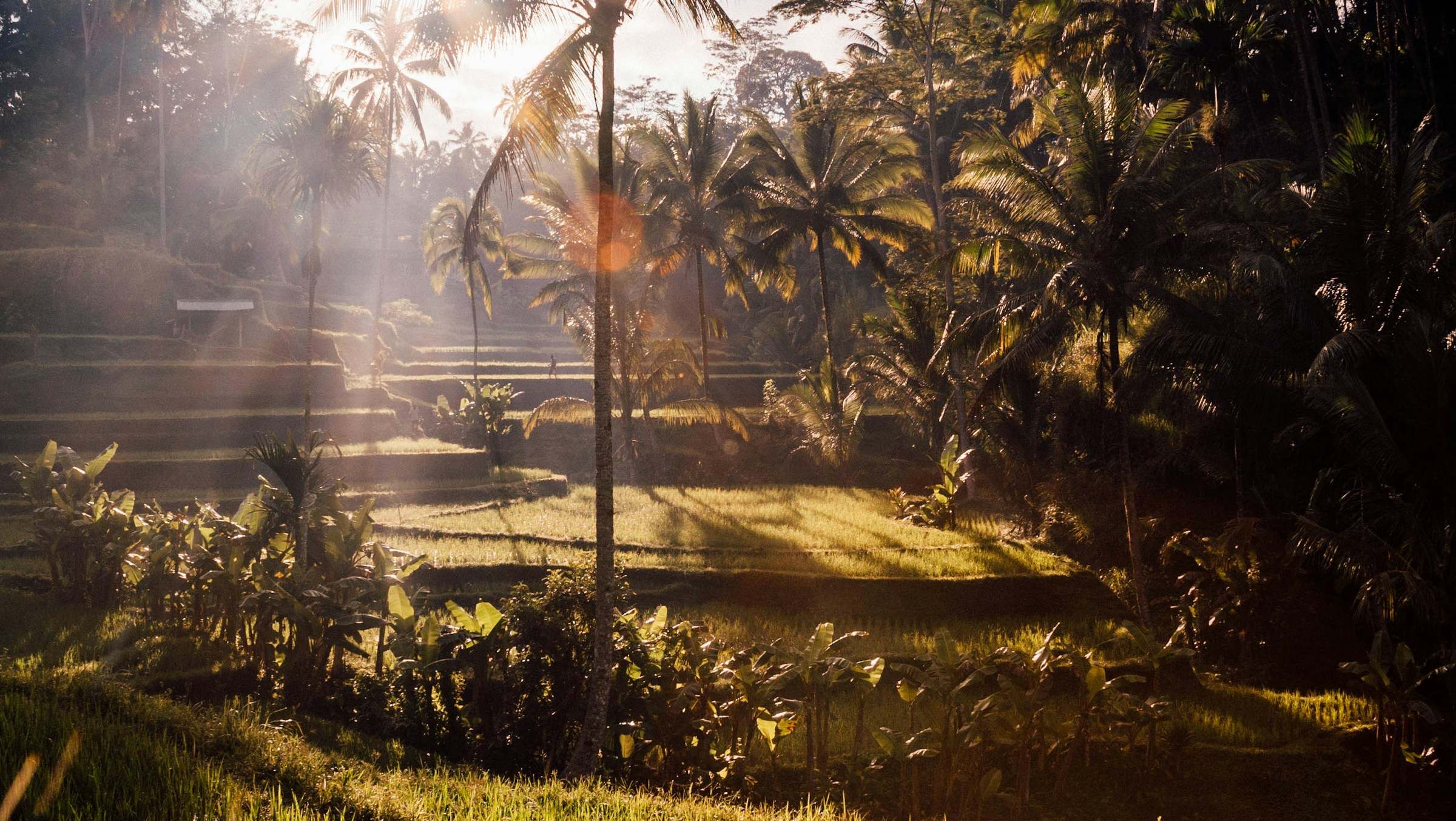
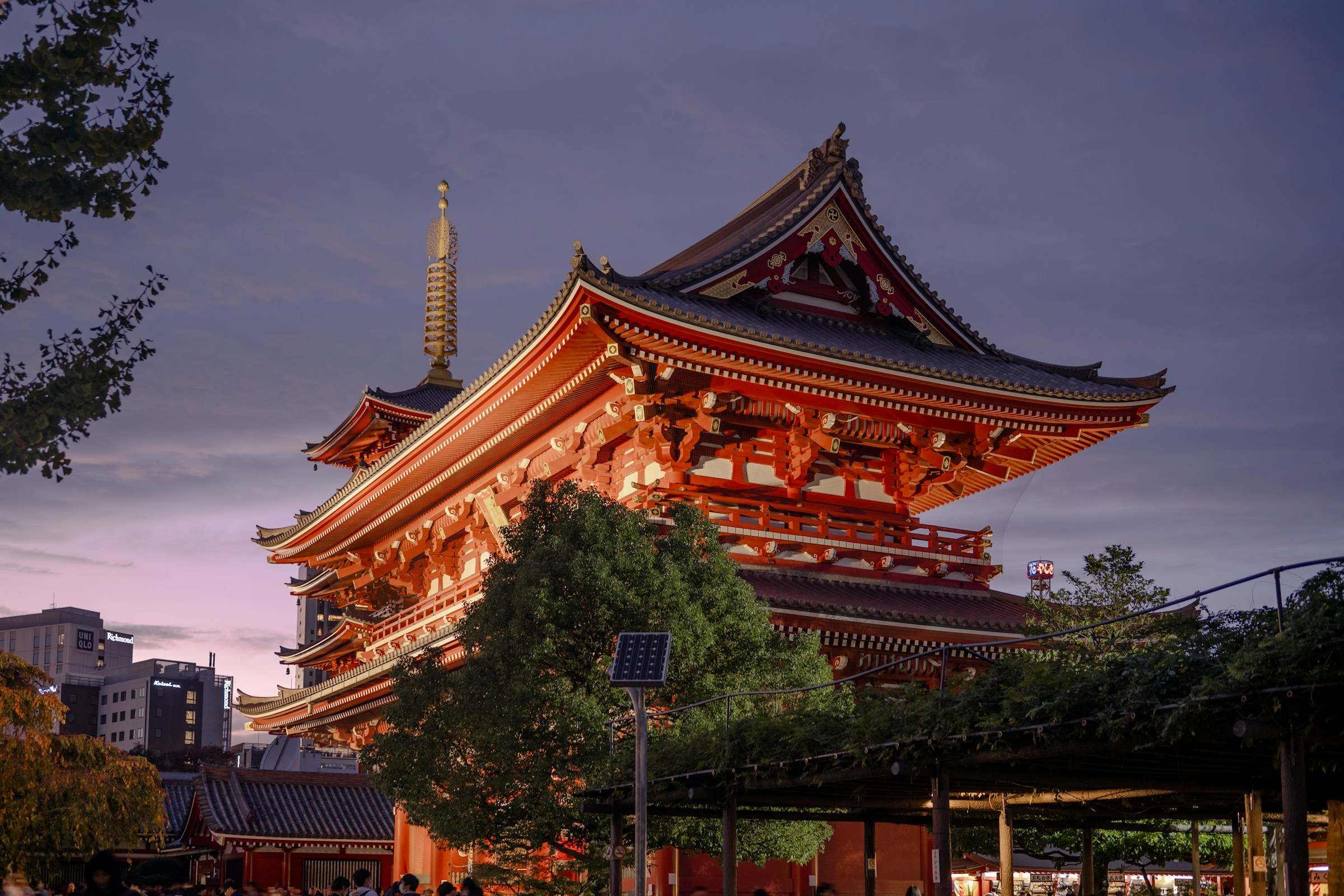
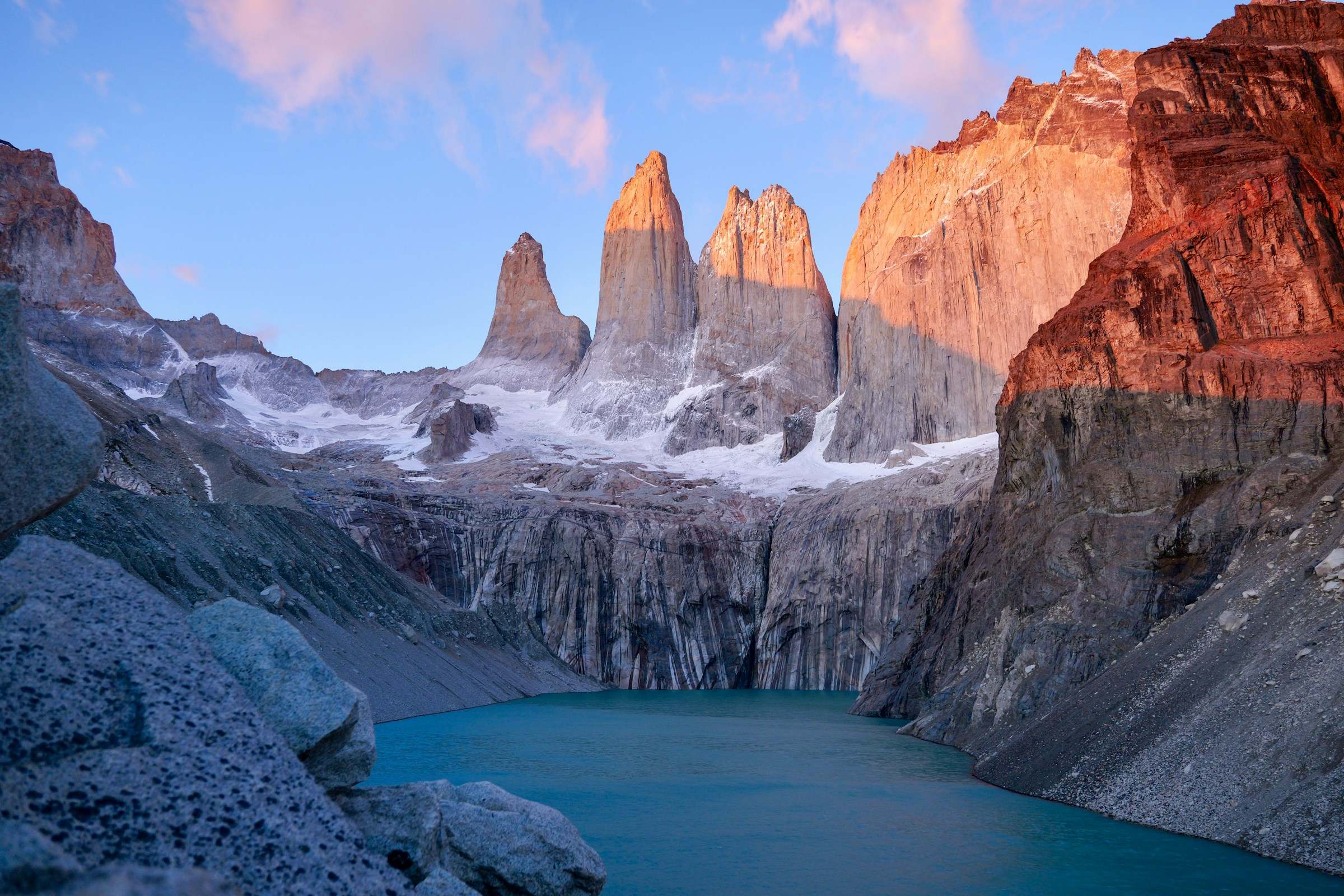
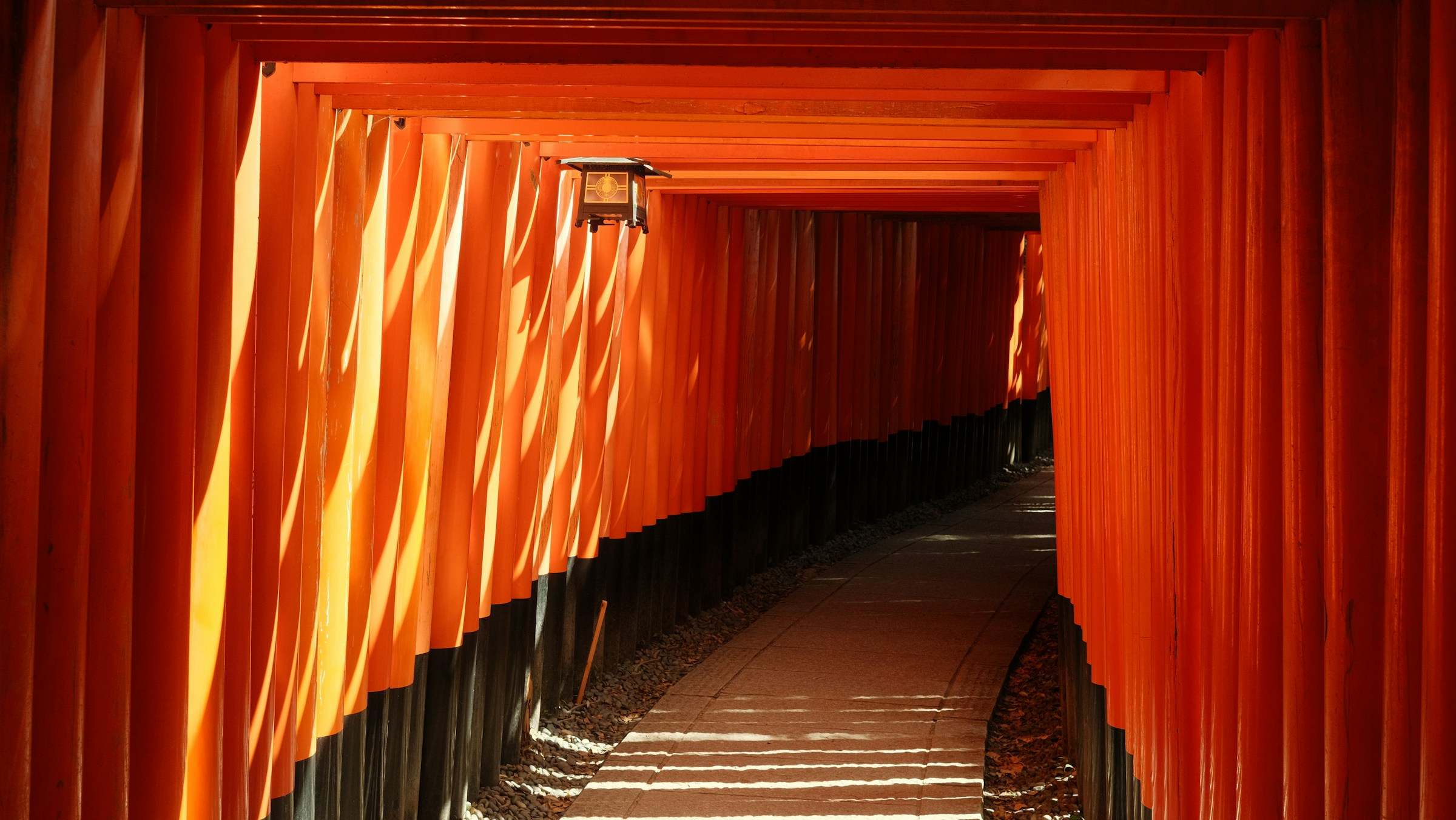
On 15 November the sun comes up in Tokyo at . First light is at , and by the gold has gone out of it. That stretch is the reason for the trip, so it goes into the plan before anything else does.
You are standing where you need to be a quarter of an hour before first light, with nothing left to find. The half hour before sunrise is often better than the sunrise.
We allow three quarters of an hour to get there, whatever the map says, and we time the route at the hour you will travel it, not at noon.
A flask of coffee and no breakfast. Breakfast comes afterwards and is better for the wait.
the night before
An early dinner, and nothing booked after it. A dawn is only as good as the sleep in front of it.
afterwards
Booked for when you are back, with the rest of the morning left empty behind it. Nobody is hurried on to a museum.
another morning
Cloud happens. So the hour goes into the trip twice, on two different mornings, and whatever sits beside the second one can be moved. The day after, the sun is up at .
On 15 November the sun goes down in Tokyo at . The gold starts at and the last blue leaves the sky at . That stretch is the reason for the trip, so it goes into the plan before anything else does.
You are where you need to be twenty minutes before the light turns gold, with a drink in your hand and nothing left to find. The good spots fill early.
We allow three quarters of an hour to get there, whatever the map says, and we time the route at the hour you will travel it, not at noon.
The afternoon in front of the hour is kept clear. No tour that can overrun, no lunch that can run long.
afterwards
The table is booked for after dark. Nobody should be reading a menu while the sky is doing that.
another evening
Cloud happens. So the hour goes into the trip twice, on two different evenings, and whatever sits beside the second one can be moved. The day after, the sun goes down at .
One document, a day to a page. Each day leads with its hour and the times that hang off it, in the order you will live them. Your planner's mobile number is on the first page.
The evening before each hour they ring with the forecast, and tell you whether it is tomorrow or the spare.
A worked example, using the margins we start from. A real plan uses the real road and the real restaurant.
HoraTokyo, 15 November
Dawn at Senso-ji
Your planner's mobile number is printed here on your copy.
Nobody is passed to a booking team. The person who works out your hours is the person who answers the phone while you are away, and each of them keeps to the part of the world they know.
The planners here are illustrative: Hora is a concept.
Tokyo and Kyoto, mostly at dawn. Knows which side of the bullet train faces Mount Fuji, and how to get a jet-lagged family to a first-light start without a mutiny.
Tokyo now
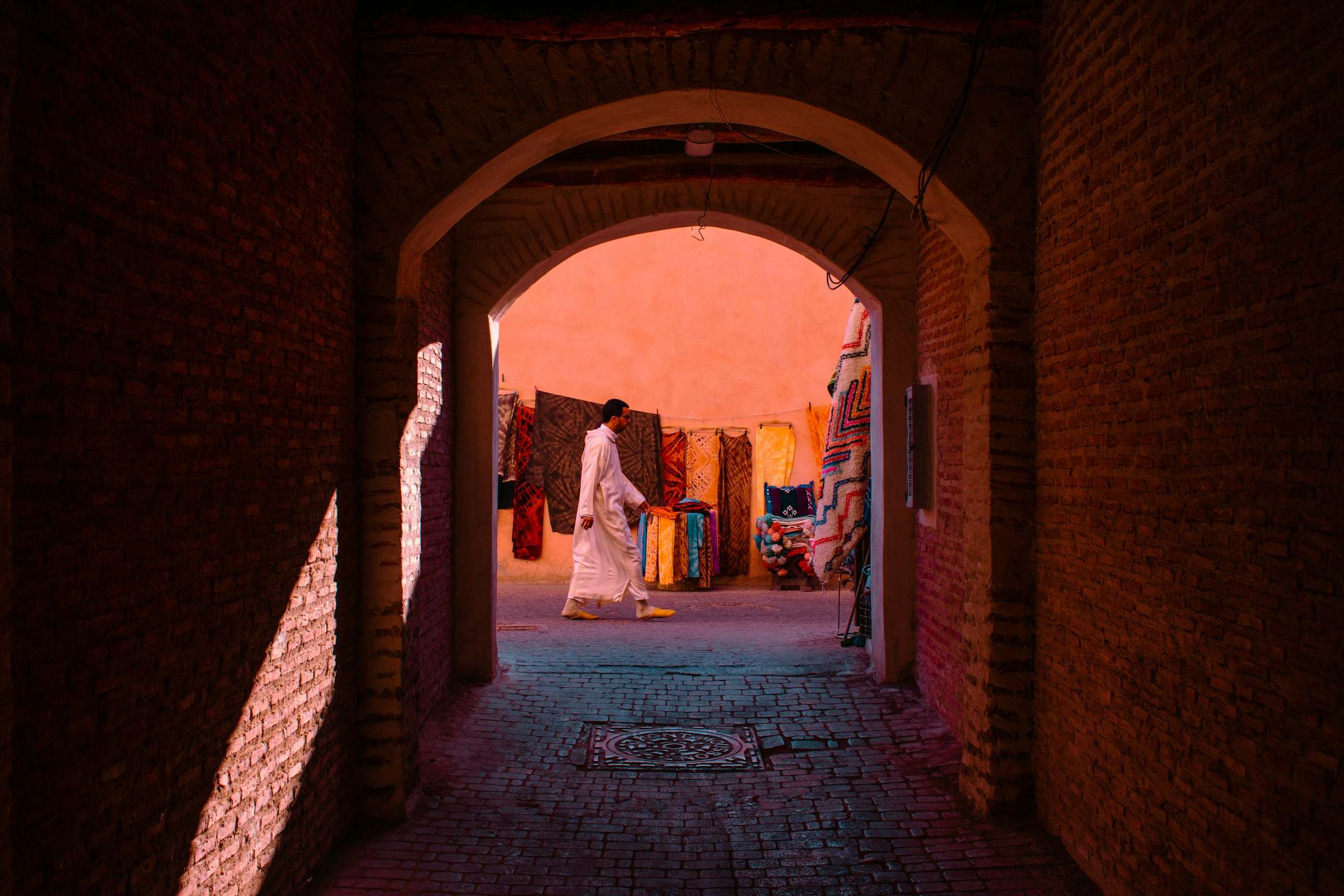
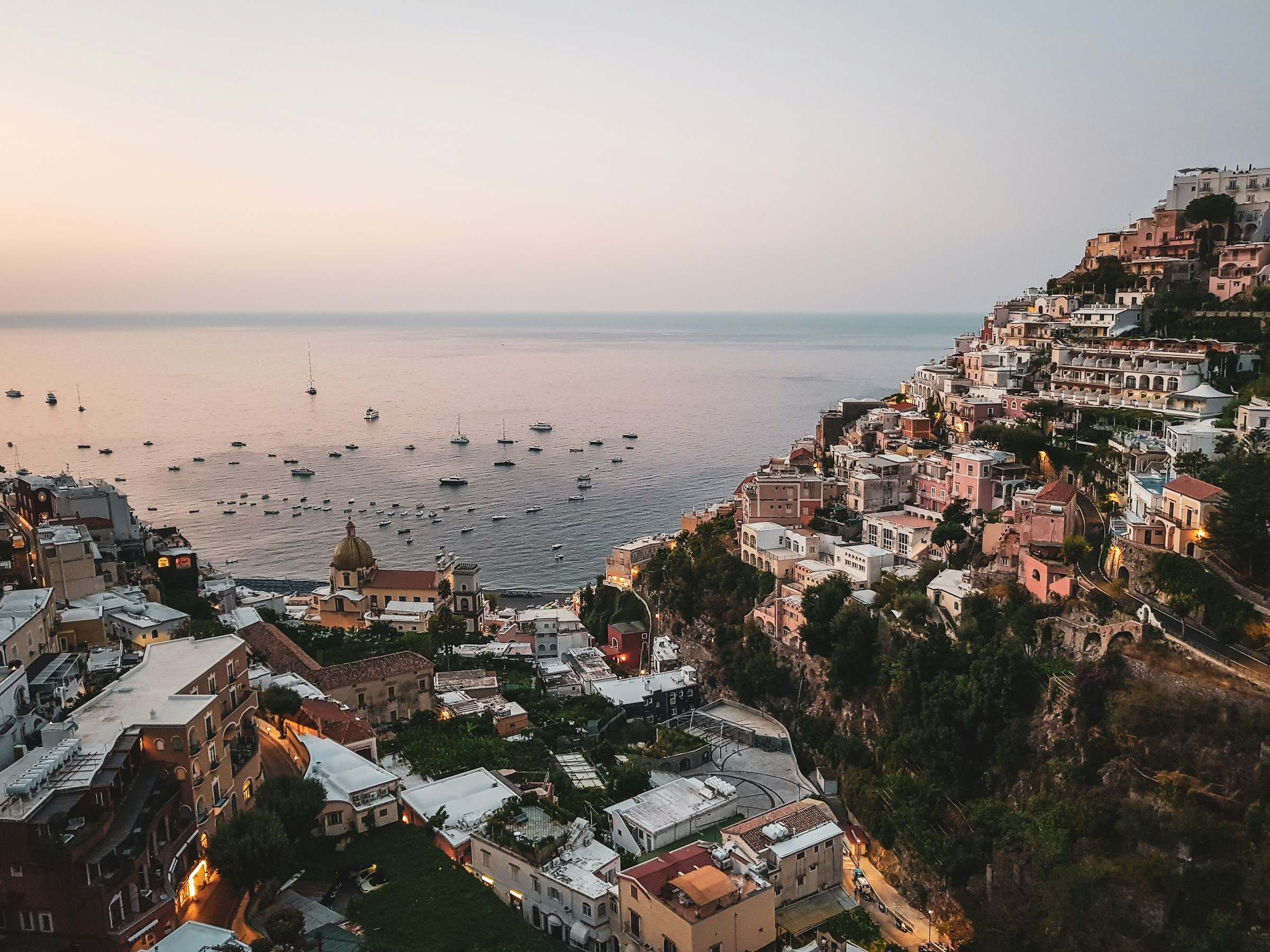
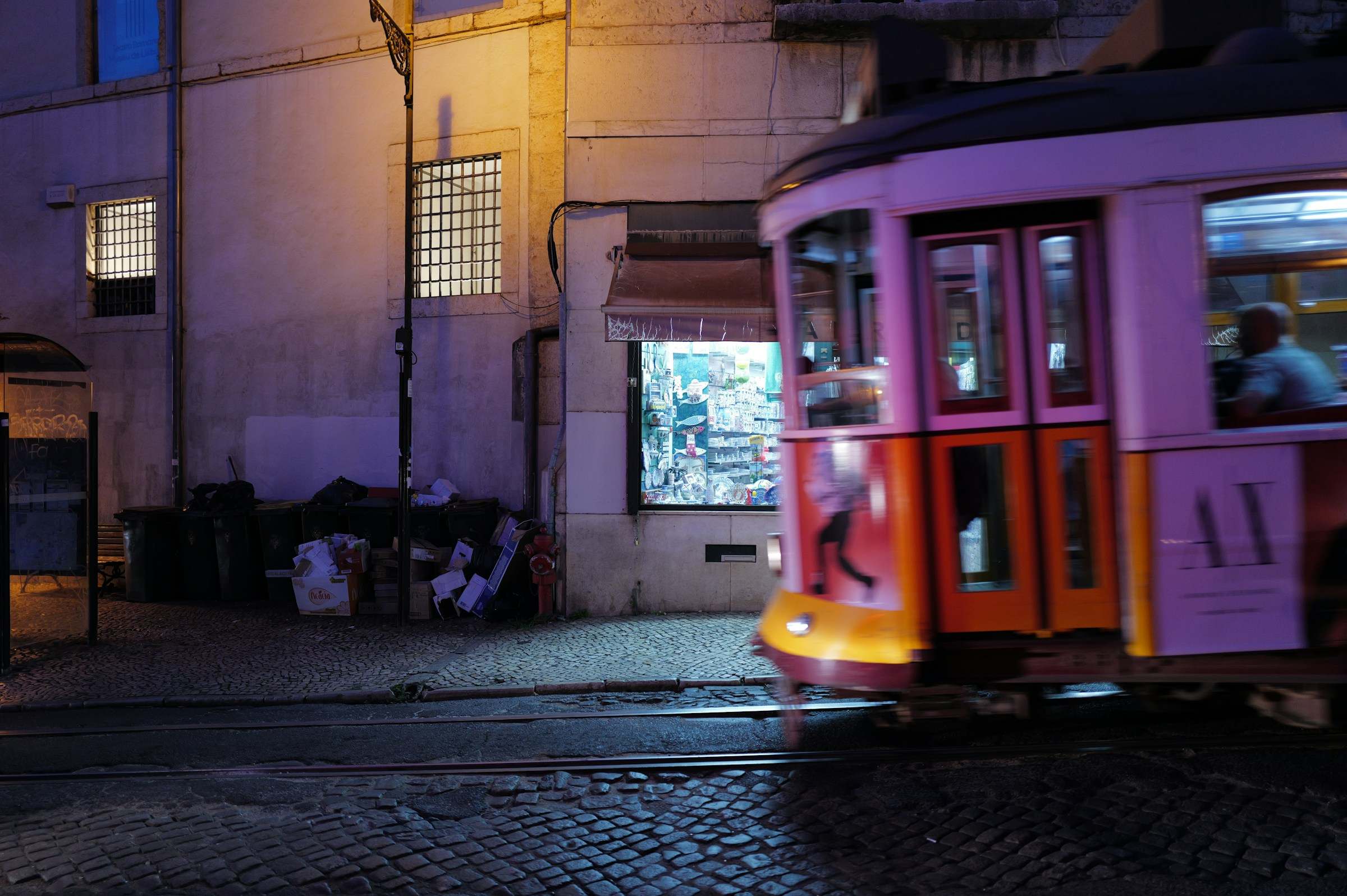
Lisbon, the Amalfi Coast and Marrakech. Evening places, where the light and the dinner have to be planned as one thing. Knows when tram 28 is packed and when it is nearly yours, which is late in the evening.
Lisbon now
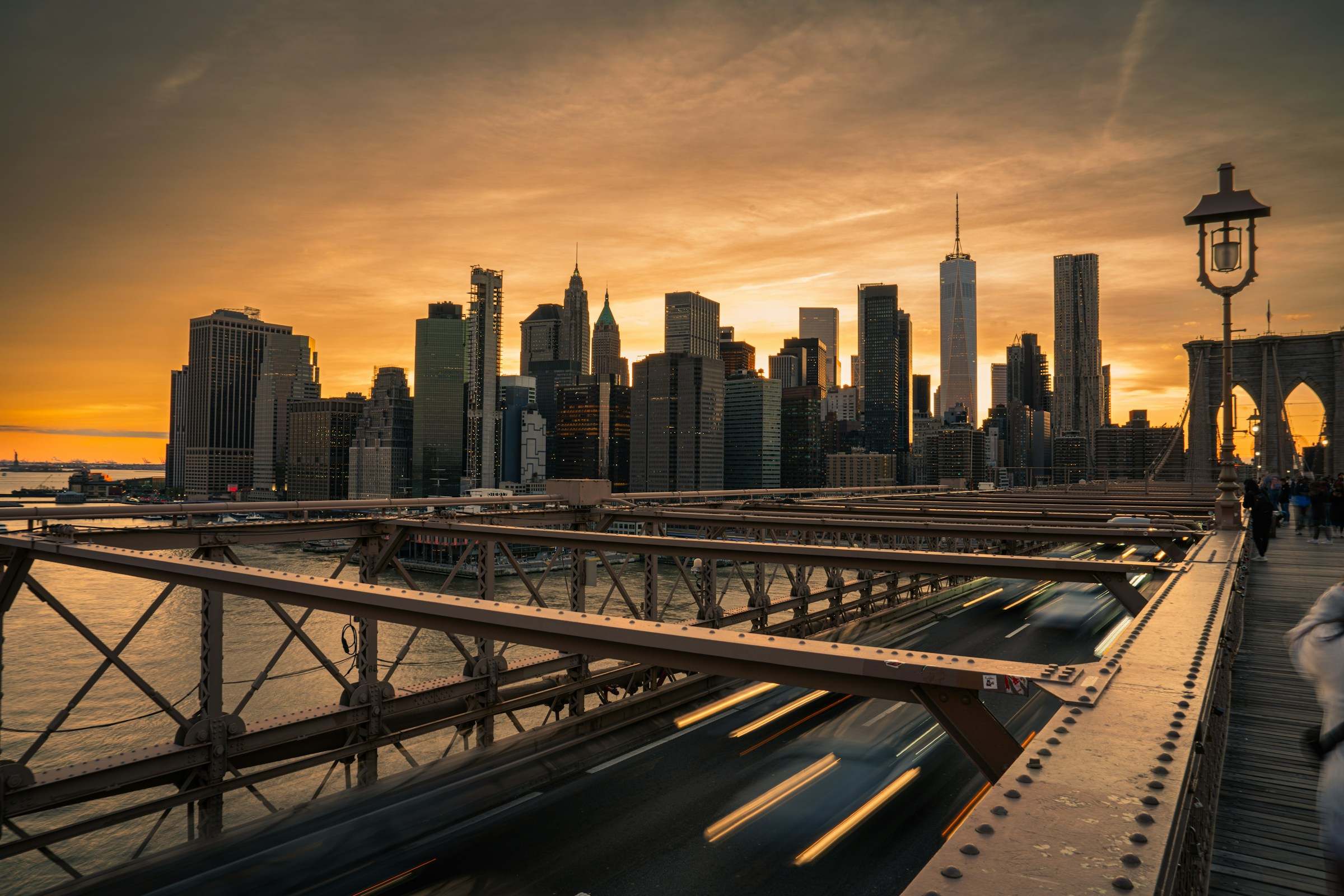
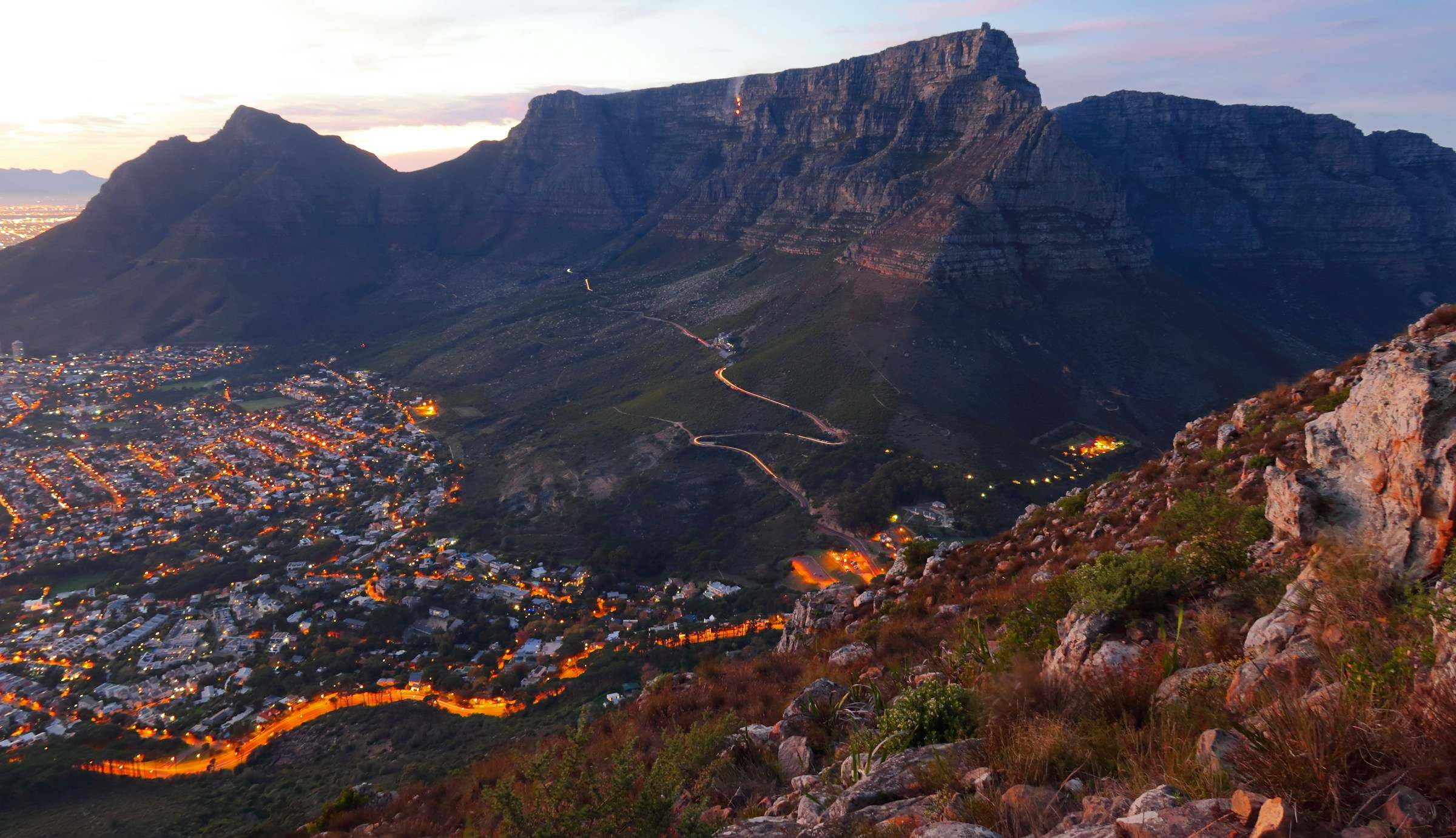
New York, Cape Town and Bali. Plans the first two days around your body clock. Fly west and the early mornings come free, which is how you get Brooklyn Bridge to yourself.
New York now
Patagonia and Iceland, where the forecast is the itinerary. Builds trips with more spare days than fixed ones, on purpose.
Patagonia now
Hora has no reviews to show you, for the good reason that it has no customers. So here, in place of other people's word for it, is what a trip with us would rest on.
A UK company that sells flights and a place to stay together has to protect that money under the ATOL scheme, which the Civil Aviation Authority runs. A trading Hora would hold a licence and belong to ABTA, and both numbers would sit here.
Both numbers are placeholders. Hora is a concept site and holds neither.
Flights from London, every night you sleep there, the cars and trains in between, and your planner on the phone from the first call to the flight home. Travel insurance is yours to arrange, and we say so before you pay for anything.
Nobody can promise light. We promise the spare: the same hour planned for a second day, with whatever sits beside it movable. If both go, your planner says so plainly and finds the best thing the place does under cloud.
Every price here is a sample, written as a starting figure for each person, to show the range. A real quote follows a conversation, because your dates and your pace change the figure more than the place does.
An agency earns its stars and its press cuttings from real travellers. Hora has none, and we were not prepared to invent them. What is real on this site: the places, the times of the sun and the weather figures.
The questions people ask a planner first. If yours is not here, the number is at the bottom of every page.
A planner's desk lamp. It lights itself when the sun goes down in London.
No. Hora is a concept site, built by Oasis Web Services to show what the studio can do. Nothing on it can be booked.
The ten places are real, and so are the sun times and the weather figures. The agency, its planners and its prices are invented.
Sample pricing: from £2,150 pp for Lisbon to from £8,900 pp for Patagonia, for two people sharing, with flights from London.
Those figures show the range. A quote comes after a conversation, because your dates and how fast you like to travel move the price more than the place does.
Allow two to three weeks from the first call to a plan you are happy with. The first draft arrives within a few days, and then we pull it apart together as many times as it needs.
Six to nine months for Japan in spring or autumn and for Patagonia in its summer, when the rooms nearest the hour go first. Three months is usually enough for a European city.
With less time than that, ring anyway. The sun still comes up.
Every hour is planned twice, on two different days, and the second can be moved. The evening before, your planner rings with the forecast and says which day it will be.
If the weather takes both, we say so plainly and plan the best thing the place does under cloud. Nobody can sell you a sunrise, and we do not pretend to.
Only where the place asks for it. Four of our ten places are at their best in the early morning and five in the evening. Iceland keeps hours of its own.
If you do not do mornings, say so on the first call and we will start with the evenings.
Yes. Early starts suit most children better than they suit most adults. We shorten the drives, slow the pace and put the hour on the day after a rest day.
Tell us what a comfortable day looks like and we plan inside it. Several of the hours on this site can be watched from a terrace, a tram or a car.
Where a view cannot be had without a climb, we say so before you book, and we look for the same light from somewhere you can reach.
Ten minutes on the phone or a few lines in a form. A planner comes back with a place, a date and a time of day.